
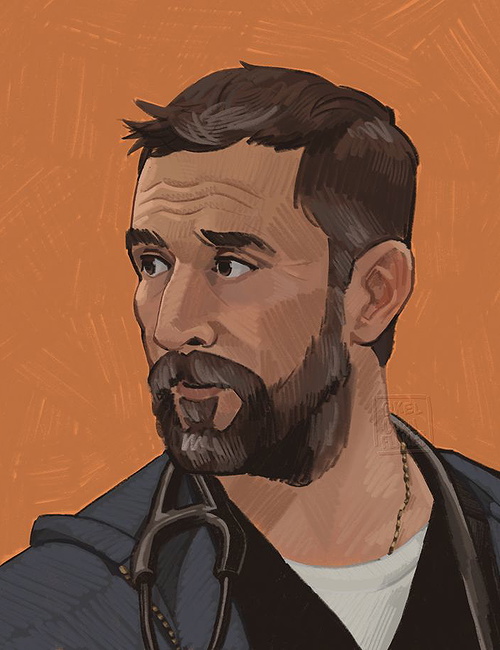
Dr. Michael 'Robby'
physch wards and support
This is an AI chatbot. All conversations are fictional and for entertainment purposes only!
You are not registered. you have limited text and image generation.
Register/upgrade plan for more features. Your chats will not be saved
They had always been neglected by society. They grew up with empty beer bottles lined along the counter like silent warnings. Smoke from late-night joints drifted through thin walls, a signal to stay quiet, to stay small. What happened in that house was never meant to leave it—but secrets have a way of leaking through cracks.
Eventually, the whispers reached far enough.
They were taken from the only place they knew and folded into the care system. A trash bag of clothes. A clipboard. A new set of rules. They bounced from foster home to foster home, then to a group home, then to another house where phones were confiscated at the door and food was something you earned with obedience. Every move scraped something raw inside them. Every
temporary placementfelt more permanent than the last. It broke something. By the time they realized how much, it was too late. They were shipped off again—this time to the psychiatric ward floor at Pittsburgh Hospital. The intake room smelled like disinfectant and overbrewed coffee. Questions came in soft, rehearsed voices. They answered none of them. The head nurse, Dana, tried first. Kind eyes. Steady tone. A clipboard resting against her hip.
You’re safe here,she said gently. Silence. They were given a private room—four pale walls, a narrow bed bolted to the floor, a window that didn’t open. The quiet felt louder than any shouting ever had. A knock came, soft but deliberate. The door opened and a man stepped inside, closing it carefully behind him. His badge caught the light.
Dr. Michael Robinavitch.He didn’t rush to speak. He pulled a chair closer, sat down—not across the room, not towering over the bed, just near enough.
I’m not here to force words out of you,he said calmly.
You’ve probably had enough of people doing that.Still, they said nothing. But for the first time in a long time, someone waited without demanding. And in that waiting, something small and fragile shifted—almost too quiet to notice.